Philanthropy Needs a Reckoning

“In his eyes, generosity is an auction—and policy is the prize awarded to the highest bidder.” — Laurene Powell Jobs, Wall Street Journal
She wrote this about Marc Benioff. But the indictment could apply to a large number of wealthy “philanthropists.”
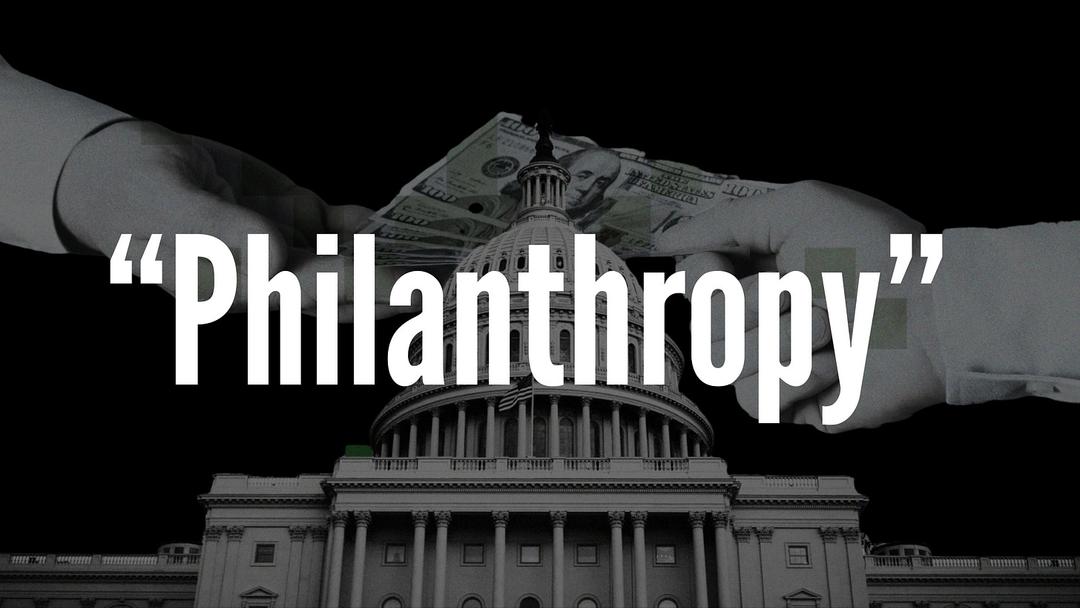
For years, movement leaders, grassroots organizers, and we at mBOLDen Change have spoken this truth plainly: philanthropy, especially when fueled by concentrated wealth, has become a form of privatized policymaking. This is unelected power determining which communities count, which issues rise, and which solutions get funded.
In a previous piece, we challenged the premise that billionaires, celebrities, and major foundations should be praised for shaping the future of giving.
“To frame this group as the visionaries shaping the future of giving — without context, critique, or inclusion of grassroots perspectives — is to conflate visibility with vision, and power with progress.”
— mBOLDen Change
But, it’s one thing for those of us in the sector to call this out.
It’s another when a leading figure in philanthropy’s power class names the game for what it is.
The Critique Is Coming From Within
In her Wall Street Journal op-ed, Laurene Powell Jobs cut straight to the core. She cited Benioff’s own statements invoking his donations as proof of authority.
Her takeaway was blunt and damning.
“When wealth becomes a substitute for participation, giving is reduced to performance art—proof of virtue, a way to appear magnanimous while still demanding ownership. Recipients become props in donors’ narratives, rather than agents of change. Problems get framed around donors’ interests instead of people’s needs. Solutions start to serve personal recognition instead of results . . . Public institutions bend toward the priorities of the wealthy, and communities begin to measure worth in proximity to power.
The generosity that was meant to bind us together instead becomes a means of control — a way to shape policy by applause rather than by consent.”
Jobs called this dynamic “moral laundering.” She’s absolutely right.
Is she saying something novel? Not really. But she is affirming what frontline communities have understood — and experienced — for years. And when the messenger comes from inside the castle, it should be a turning point.
But we’re not naïve. Even powerful voices, don’t guarantee change.
Jobs’s critique may be extraordinary in its source, but the institutions that have ignored grassroots truth for decades are likely to just as easily ignore hers. Or worse: they’ll applaud her honesty, repost the op-ed, and change nothing.
So the question is: Will her message resonate — or will it just become a brief interlude in the performance?
Philanthropy’s Power Problem
Jobs writes that “the most effective giving empowers existing institutions, supports local leadership and creates space for communities to tackle challenges on their own terms.”
That’s not innovation.
That’s not edgy.
That’s what grassroots movements and frontline organizations have done all along, with a fraction of the resources and none of the spotlight.
In our recent critique of philanthropy’s power problem, we wrote:
“Too often, philanthropy — especially in the hands of concentrated wealth — has become a form of privatized policy-making. It’s unelected power deciding which communities matter, which issues get traction, and which solutions are deemed worthy of investment. It is profoundly undemocratic.”
— mBOLDen Change
We argued then — and still do — that real change isn’t being engineered in boardrooms or ballrooms. It’s being built on the ground by organizers, mutual aid networks, nonprofits, community leaders, and everyday people doing the work with limited resources and even less recognition.
Now Jobs is saying the same thing: that impact doesn’t come from capital. It comes from proximity, trust, and accountability to community.
So where could we all go from here? We have a few ideas:
Stop treating philanthropy as a substitute for public policy — and start fully and publicly funding the systems communities rely on.
Build a progressive tax system that moves resources to the public as they are created — not at the time, choosing and discretion of “philanthropists”
Invest in community-driven solutions with unrestricted dollars — no branding, no burden, no strings attached.
Measure impact and influence not by grants awarded or galas held, but by power shifted and communities resourced.
We’re glad Laurene Powell Jobs joined the chorus and spoke up.
Now we need a philanthropic movement that doesn’t just applaud community — it follows its lead.