Words Hold Power
How the Language We Choose Shapes Politics and Possibility
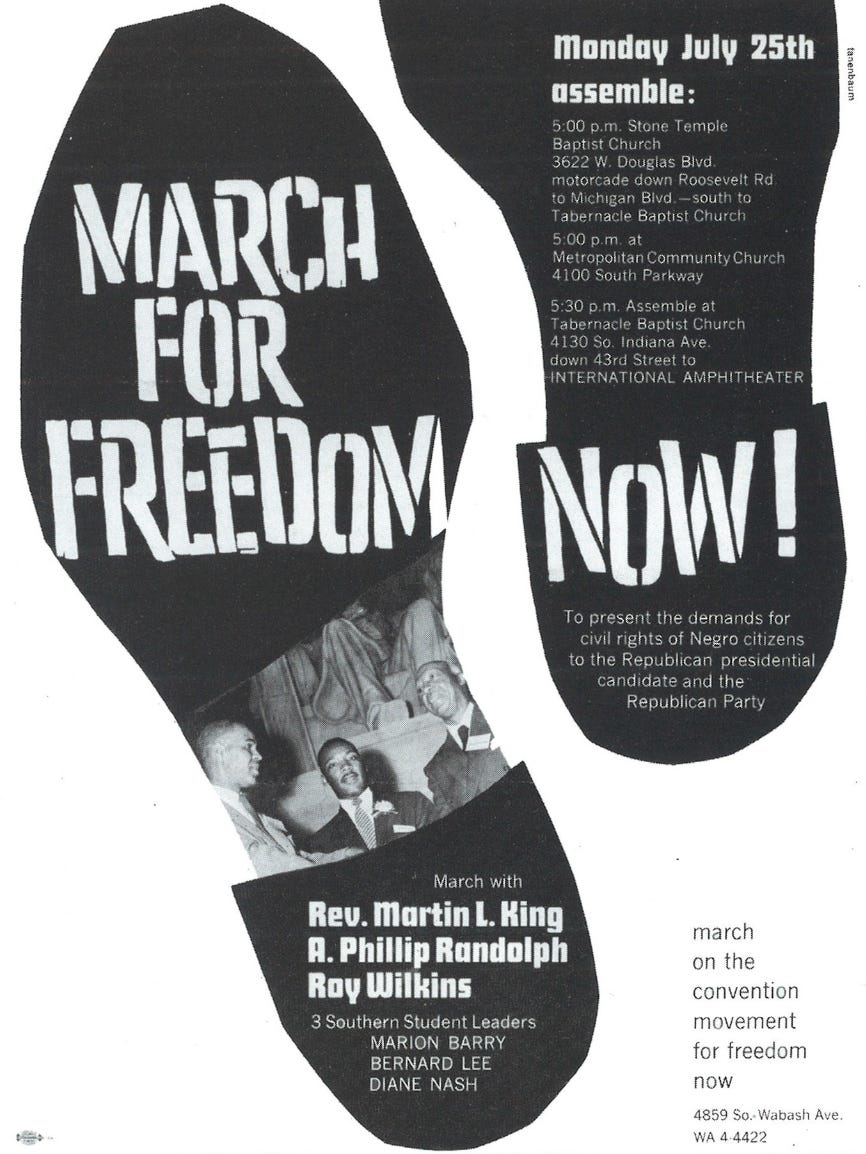
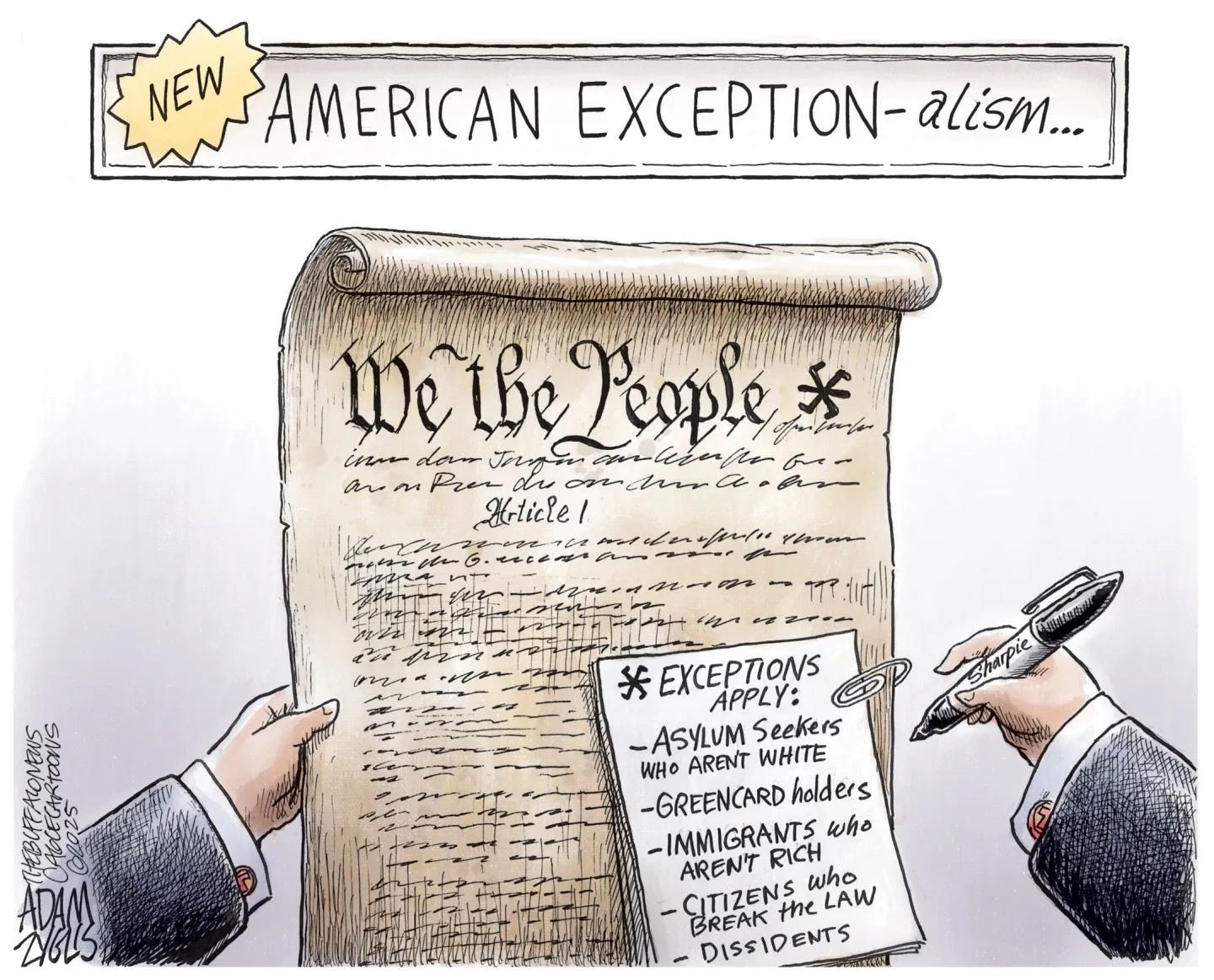
Words don’t just describe reality; they create it. They shape how we perceive the world and influence our feelings about who counts, what is imaginable, and which futures feel possible. Across history, language has been used to justify conquest, entrench inequality and normalize exclusion. The American right wing has mastered this, spending years turning everyday speech into a weapon: rebranding anti-choice politics as “pro-life,” cloaking censorship in “parents’ rights,” recasting multiracial democracy as a battle against “wokeness,” and labeling immigrant neighbors as “illegals,” “animals,” or an “invasion.” None of this is accidental. It’s a deliberate strategy to set the frame before the rest of us have even entered the conversation.
If we aren’t defining the terms, we’re living (no, trapped) inside someone else’s story. To get out, we have to change the narrative and seize the power of language — not just to fight back, but to tell the story of the world we're inviting others to build alongside us.
How Language Shapes Reality
Language is the scaffolding of society. It shapes who is seen as fully human, what harms are tolerated, and which solutions are deemed just and possible.
This truth is painfully visible today. Led by Trump, the right has weaponized everyday speech, deploying a narrative of grievance and exclusion. Labeling people “illegals” shifts the frame from a broken immigration system to individual blame. Rebranding bureaucratic checks and balances as the “deep state” distorts how we think about government and freedom. Declaring that “all lives matter” sounds neutral and moral while stripping away the very context of racism and inequality it seeks to erase.
These words aren’t accidental. They are chosen to provoke emotion, drive policy momentum, and ultimately shape whose dignity will be honored — or denied.
As linguist John McWhorter recently noted in The New York Times, “Even Trump’s most positive-sounding coinages are acts of a certain kind of verbal aggression.” The point is not just rhetoric — it’s domination. Calling a bill “Big and Beautiful” or renaming the Department of Defense the “Department of War” isn’t random branding. It’s a linguistic power play, designed to frame opponents as weak, “wokey,” or irrelevant before the debate has even started.
But the power of language works both ways. It has also been the spark for movements that expanded rights, rebuilt the moral center of public life, and redrew the boundaries of the possible.
The fight against slavery was waged not just with guns and petitions but with words. Abolitionists described slavery as “man stealing,” “sin,” and “a crime against humanity.” Slaveholders, in turn, cloaked it in the language of “states’ rights” and “property.” The battle over words was inseparable from the battle over laws.
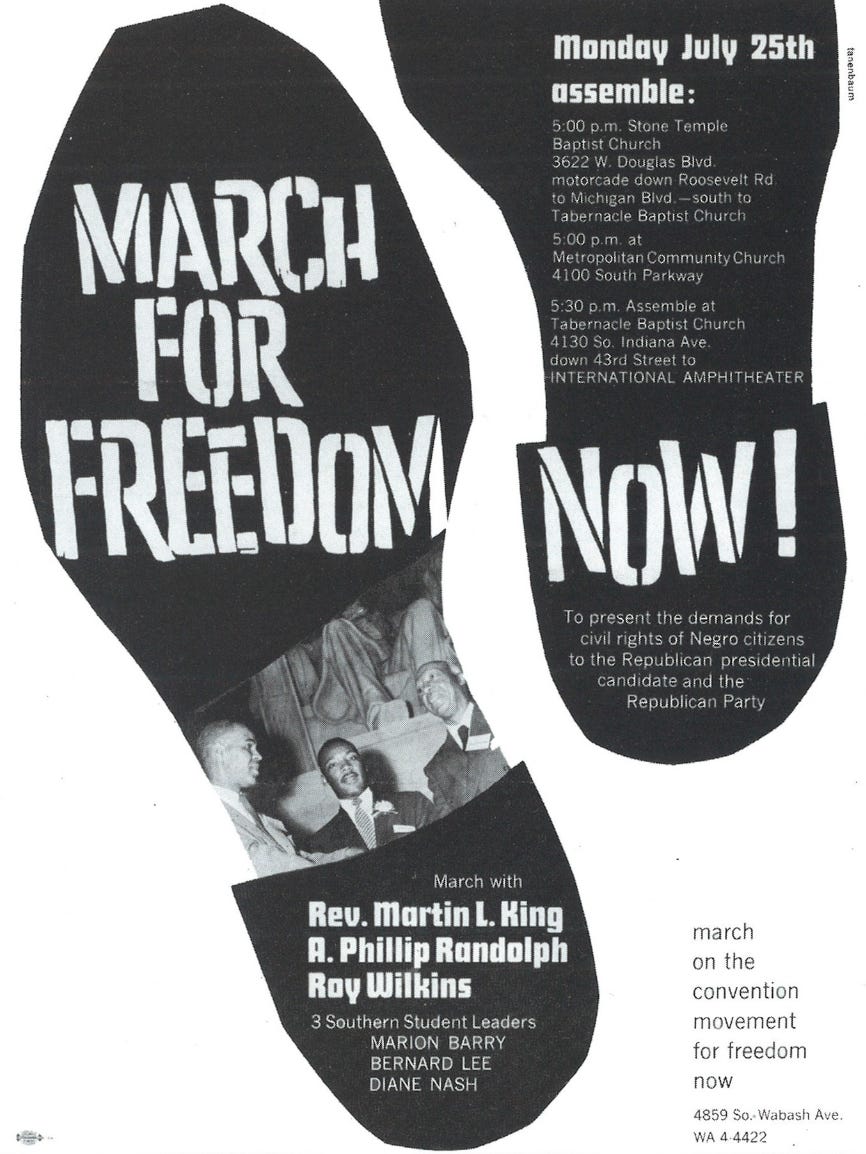
During the civil rights movement of the 1960s, leaders invoked the language of freedom, dignity, and equality — values embedded in America’s founding documents but denied to millions. That framing let their demands resonate not only as policy but as fulfillment of America’s supposed promise.
During the AIDS crisis, activists transformed a stigmatized “gay plague” into “people with AIDS,” paired with the blunt moral clarity of Silence = Death. Words opened the space for research dollars, treatment, and human solidarity.
When Nelson Mandela and the ANC were branded as “terrorists,” it justified imprisonment and isolation. When they were reframed as “freedom fighters,” the ground shifted. Legitimacy followed language.
Over and over again, history shows us how language shapes social values.
A Narrative of Asymmetrical Violence
We don’t have to look far to see these dynamics. Consider the contrast between two recent tragedies. When Minnesota House Speaker Melissa Hortman was murdered, the Trump administration and its allies refused to call it political extremism. They downplayed it, treating the killing as an isolated crime despite evidence to the contrary. Yet after conservative activist Charlie Kirk was murdered, those same voices immediately branded it “left-wing extremism,” amplified the story across the media, and demanded crackdowns on their opponents.
The difference is not about evidence. It is about the frame.
By refusing to name right-wing violence while loudly labeling any act of violence against conservatives as political, the Trump administration is signaling to the public whose lives matter, whose pain deserves outrage, and whose violence gets normalized. This asymmetry is not accidental — it is strategy.
We saw the same pattern after the January 6th attack on the U.S. Capitol. Armed mobs stormed the seat of government, chanted about hanging the Vice President, and forced members of Congress to flee for their lives. Yet Trump and his allies resisted calling it an insurrection or domestic terrorism. Instead, they reframed it as a “protest,” casting its participants as “patriots” or even “tourists.” That rebranding wasn’t trivial. It sought to strip the event of its violence and recast it as legitimate dissent, softening public outrage and muddying accountability. Once again, the language here was used not to describe reality but to manipulate it.
What the Research Shows
The power of language is not just theory; the impact is measurable. Public opinion research consistently shows how the terms we use shape what people believe and what policies they are willing to support.
The debate over the Affordable Care Act (ACA) provides a perfect example. Despite being the same law, polls from Morning Consult found that a third of Americans were unaware that the ACA and Obamacare were one and the same. The study also found that Republicans were significantly more likely to disapprove when the law was called "Obamacare" as opposed to the "Affordable Care Act." This wasn't a difference in policy preference, but a difference in emotional reaction to a word. The name alone, a strategic branding choice by opponents, was enough to polarize people and change their minds.
The same pattern shows up in immigration. When poll questions about immigration use the term “undocumented” or “unauthorized” immigrant instead of “illegal immigrant,” support for a pathway to citizenship often rises by double digits. The term “illegal” frames individuals as criminals, while “undocumented” frames them as people navigating a complex system.
The same principle applies to economic policy. “Tax relief” frames taxes as a burden, casting cuts for corporations and the wealthy as liberation. “Investments in our communities” frames public spending on schools, healthcare, and infrastructure as a shared good. This is supported by a FrameWorks Institute study that found people were far more likely to support public services when they were described as “investments.”
These aren’t just semantic shifts. They alter what people fight for and what they will allow to be dismantled.
A recent comparative analysis of campaign speeches in the U.S., France, and Italy underscores the point: right-wing populists don’t succeed because they own a magic vocabulary. They succeed because they tell a simple, repeatable story: the “good people” versus “corrupt elites” and “dangerous others.” Their mainstream opponents, by contrast, too often retreat into abstractions that blur actors, stakes, and outcomes.
In public persuasion, clarity and a compelling story will always beat a data table.
The Biggest Mistake We Make
The right-wing is winning because they are telling a story of the world they want — however cruel. To inspire, we must tell the story of what we love and the world we are ready to build: one of solidarity, justice, and shared possibility.
Too often, we play defense and define ourselves by what we’re not: not extremists, not authoritarians, not Trump. But absence is not a vision. Negation is not a story. People want to know the future they’re being asked to build. Evidence matters, but facts and evidence alone rarely move hearts. A sense of comradery, rooted in shared values, perspectives and experiences, is what does. This is why storytelling is one of the strongest vehicles we have for shaping and building collective vision.
The right’s archetypes — “welfare queen,” “dangerous immigrant,” “patriotic soldier” — are sticky because they locate villains, victims, and heroes in a single breath. They tell us who belongs, who threatens, and who redeems. Each story reinforces a larger argument: America is under siege, order must be restored, and exclusion is the only path to safety.
We, too, have used powerful frameworks to shape a collective vision. The immigrant rights movement recast young undocumented immigrants as “Dreamers” — innocent, striving, deeply American, and victims of a broken system who became heroes through their persistence. During the pandemic, the language of frontline and essential workers elevated nurses, grocery clerks, and delivery drivers into everyday heroes holding society together, while corporate greed and government neglect were cast as villains. And the Occupy movement gave us the 99%, a rallying cry that united ordinary people as the vast majority struggling for fairness against a privileged, extractive elite. Together, these archetypes offer a story of belonging and solidarity: a society where dignity is not conditional, opportunity is not rationed, and power comes from the many, not the few.
The challenge is not finding stories. It is weaving them into a shared vision. That is more than moral clarity. It is political strategy.
Everyday Actions: How We Shift the Narrative
Narrative change is not only the work of leaders or organizations. It is a collective practice. Every conversation, every social media post, every story told at a family table either reinforces the old narrative or seeds a new one. At mBOLDen Change, here is what we are doing — and what you can do too:
Challenge harmful words. Words like “illegal alien” or “unskilled worker” are designed to demean. Replace them with language that reinforces dignity.
Share your own story. Authentic stories build connection in ways statistics never can. It might be your family’s journey of migration, but it could just as easily be about holding two jobs, caring for a loved one, or organizing in your neighborhood. People connect to people. When we share the struggles and hopes that shape our lives, we invite others to see themselves in the story and to imagine a different future alongside us.
Refuse false choices. Don’t accept “security or compassion,” “economy or justice.” These are traps, not truths.
Amplify community-led groups. The most powerful narratives come from lived experience. When we amplify voices at the grassroots, we challenge elite spin with truth from those closest to the challenges.
Repeat values. Repetition builds reality. Anchor conversations in dignity, fairness, and humanity — and keep repeating them until they become the chorus of common ground.
The Real Stakes
The battle over language isn’t about clever spin; it’s about power. When the right brands refugees as “invaders,” it builds support for bans, walls and camps. When we reframe healthcare as a human right, we build momentum toward universal coverage. Words open or close political pathways before laws are even written.
Trump knows words matter. That’s why he renames, reframes, and repeats until his language becomes common. The question is whether the rest of us will meet that challenge with the discipline, vision and clarity this moment demands.
Language shapes power, possibility and belonging. Let’s choose with intent — because the future we inherit may very well depend on the words we choose today.