Medicaid: A Safety Net by Many Names
Millions are about to lose health coverage under a new federal law and too many don't even know it. Here’s how to know if you’re at risk, and what to do next.
Budgets are Moral Documents. This One Cuts Deep.
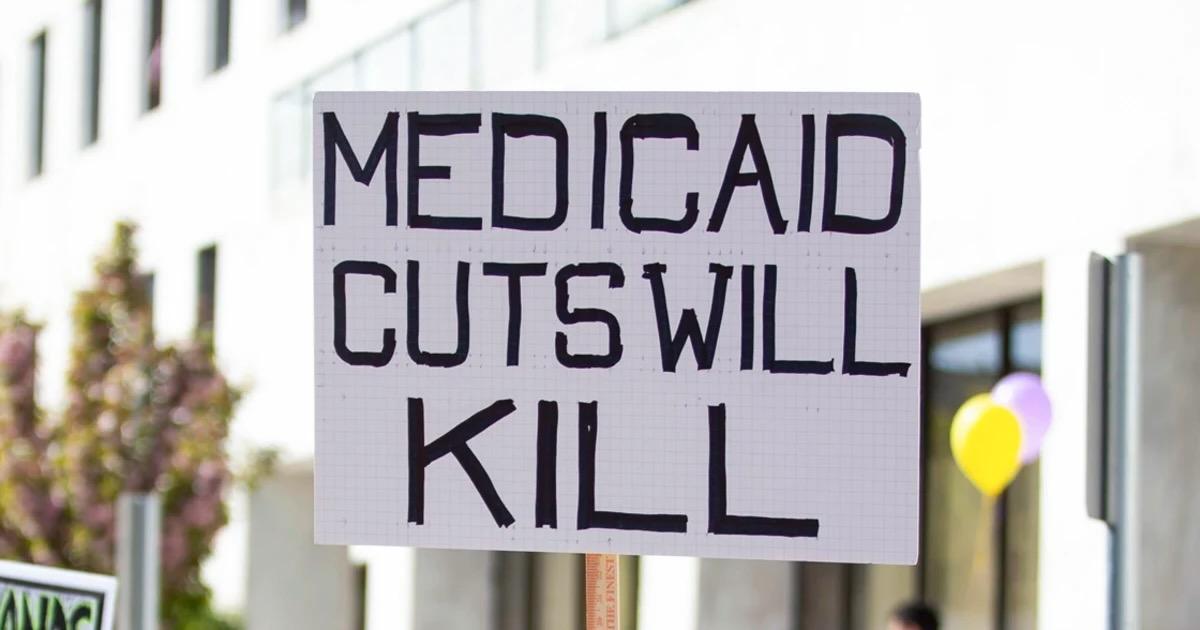
Access to affordable healthcare is a lifeline. But this July 4, President Trump signed a devastating federal budget into law, setting off a wave of rollbacks that will gut the nation’s most vital public health coverage: Medicaid.
According to the nonpartisan Congressional Budget Office (CBO), nearly 12 million more Americans are expected to be uninsured by 2034 due to cuts in federal Medicaid funding and reduced support for ACA marketplace subsidies. Many of those affected may not even realize they’re at risk because their health plan doesn’t go by the name “Medicaid.” (NPR)
Millions Don’t Realize They Are Medicaid Recipients
Medicaid is the country’s largest public health insurance program, serving children, seniors, pregnant people, low-income families and individuals with disabilities. But it doesn’t always go by that name. Because it’s a joint federal and state program, states have flexibility to rebrand Medicaid with names meant to sound more local or more like private insurance.
That flexibility has a cost: millions of people don’t realize they’re Medicaid recipients.
If you are covered by any of these Medicaid programs, your healthcare is on the line:
Alabama: Alabama Medicaid
Alaska: DenaliCare
Arizona: AHCCCS (Arizona Health Care Cost Containment System)
Arkansas: ARHOME; Arkansas Medicaid
California: Medi-Cal
Colorado: Health First Colorado
Connecticut: HUSKY Health (A–D)
Delaware: Diamond State Health Plan
District of Columbia: DC Healthy Families
Florida: Florida Medicaid; SMMC (Statewide Medicaid Managed Care)
Georgia: Georgia Families
Hawaii: Med-QUEST
Idaho: Idaho Medicaid
Illinois: Illinois Medicaid / All Kids
Indiana: HIP; Hoosier Healthwise; Hoosier Care Connect; M.E.D. Works
Iowa: IA Health Link
Kansas: KanCare
Kentucky: Kentucky Medicaid
Louisiana: Healthy Louisiana
Maine: MaineCare
Maryland: HealthChoice
Massachusetts: MassHealth
Michigan: Michigan Medicaid
Minnesota: Medical Assistance
Mississippi: MississippiCAN
Missouri: MO HealthNet
Montana: Montana Medicaid
Nebraska: Nebraska Medicaid; ACCESSNebraska
Nevada: Nevada Medicaid
New Hampshire: NH Medicaid
New Jersey: NJ FamilyCare
New Mexico: Centennial Care
New York: New York State Medicaid
North Carolina: NC Medicaid
North Dakota: North Dakota Medicaid
Ohio: Ohio Medicaid
Oklahoma: SoonerCare
Oregon: Oregon Health Plan (OHP)
Pennsylvania: Medical Assistance
Rhode Island: RIte Care
South Carolina: Healthy Connections Medicaid
South Dakota: South Dakota Medicaid
Tennessee: TennCare
Texas: Texas Medicaid (STAR; STAR+PLUS)
Utah: Utah Medicaid
Vermont: Vermont Medicaid; Green Mountain Care
Virginia: Cardinal Care
Washington: Apple Health
West Virginia: West Virginia Medicaid
Wisconsin: BadgerCare Plus; ForwardHealth
Wyoming: Wyoming Medicaid
What the New Law Does
The new law puts an entire safety net in jeopardy. Here’s what’s changing and why it matters:
Nearly 12 million projected to lose coverage: According to the Congressional Budget Office, reductions in federal Medicaid and ACA marketplace funding will leave almost 12 million more Americans uninsured by 2034. This includes millions pushed out of coverage due to administrative barriers, lost subsidies, and tighter eligibility. (Congress.gov)
Mandatory Work Requirements: Beginning in 2027, most Medicaid expansion recipients will need to prove work or community engagement. Even if you’re working, reporting errors or red tape could result in termination.
Frequent Eligibility Checks: More paperwork, more often. States will be required to redetermine eligibility every 6 months or more, increasing the risk of people falling through the cracks.
Federal Funding Cuts: Deep cuts in federal support will push states to limit services, reduce benefits, or make eligibility rules even more restrictive.
Cost Sharing: Starting in 2028, expansion populations will face mandatory co-pays of up to $35 per visit. That turns a routine doctor’s visit into a financial burden.
Exclusions for Non-Citizens: Fewer immigrants and mixed-status families will qualify, even if they’re lawfully present.
Cutting medicaid access shrinks the safety net and makes healthcare harder to access for those who need it most.
Policies and budgets reflect what we value as a society. And, this new law sends a message that some lives, some families, and some communities matter less.
And the consequences are severe:
Children lose access to preventative care like well visits, immunizations, and dental screenings. A study found that children enrolled in Medicaid were more likely to get preventive care but those odds increased dramatically when parents also had Medicaid. Well-child visit rates jumped from 29% (uninsured) to 43% (child-only coverage), and to 67% when both parent and child were enrolled, showing that family coverage is essential to children’s health outcomes. (PMC)
Pregnant people may be cut off from prenatal and postpartum care, increasing risks for maternal and infant mortality. Medicaid finances 41% of U.S. births. (KFF)
Seniors and individuals with disabilities can lose home- and community-based services, pushing them into institutional settings or leaving them without care altogether. Nearly 5.6 million people rely on Medicaid for Long-term Services and Supports. (KFF)
Low-income adults may suffer severe consequences, including delays in care and even increased mortality: new modeling predicts that reductions in Medicaid access could lead to nearly 15,000 additional deaths per year among adults aged 25–64, alongside skipped treatments, financial hardship, and worsening chronic disease outcomes. (Keck School of Medicine of USC)
We must stop treating Medicaid like a line item and start seeing it for what it is: vital social infrastructure. It safeguards health, empowers families and helps build stronger, more resilient communities.
What You Should Do If You Are on Medicaid
Know Your Plan: Look at your insurance card. If your coverage is on the list above, this law may affect you.
Monitor Communications: Medicaid paperwork is real and missing a form can mean losing your coverage.
Stay Informed: Follow reputable news sources and healthcare advocacy organizations for updates on how these changes are being implemented in your state. Here are a few of our recommendations:
KFF Medicaid Tracker — Offers in-depth, nonpartisan analysis and state-level data on Medicaid enrollment, policy changes, and spending.
Families USA — A leading national health advocacy group with action alerts, toolkits, and news on healthcare justice.
National Health Law Program (NHeLP) — Legal advocacy to protect Medicaid access, especially for underserved communities.
Speak Up: While the bill has been signed into law, its implementation is ongoing. Share your concerns with your state legislators and officials and continue to engage with advocacy groups.
Use tools like OpenStates.org to find and contact your representatives. Your personal story about how Medicaid (by whatever name it's called in your state) impacts you and your family is powerful.
Spread the Word: Many people don’t know they’re on Medicaid. Forward this, post it, talk about it. Awareness is a form of resistance.
Healthcare is a human right.
Your health, and the health of your community, depends on understanding and preparing for these changes. Don’t let your care — or your neighbor’s — be dismantled without a fight.