EPA Sets the Value of Human Health at $0
How the agency’s new cost-benefit framework erases health, accountability, and environmental justice
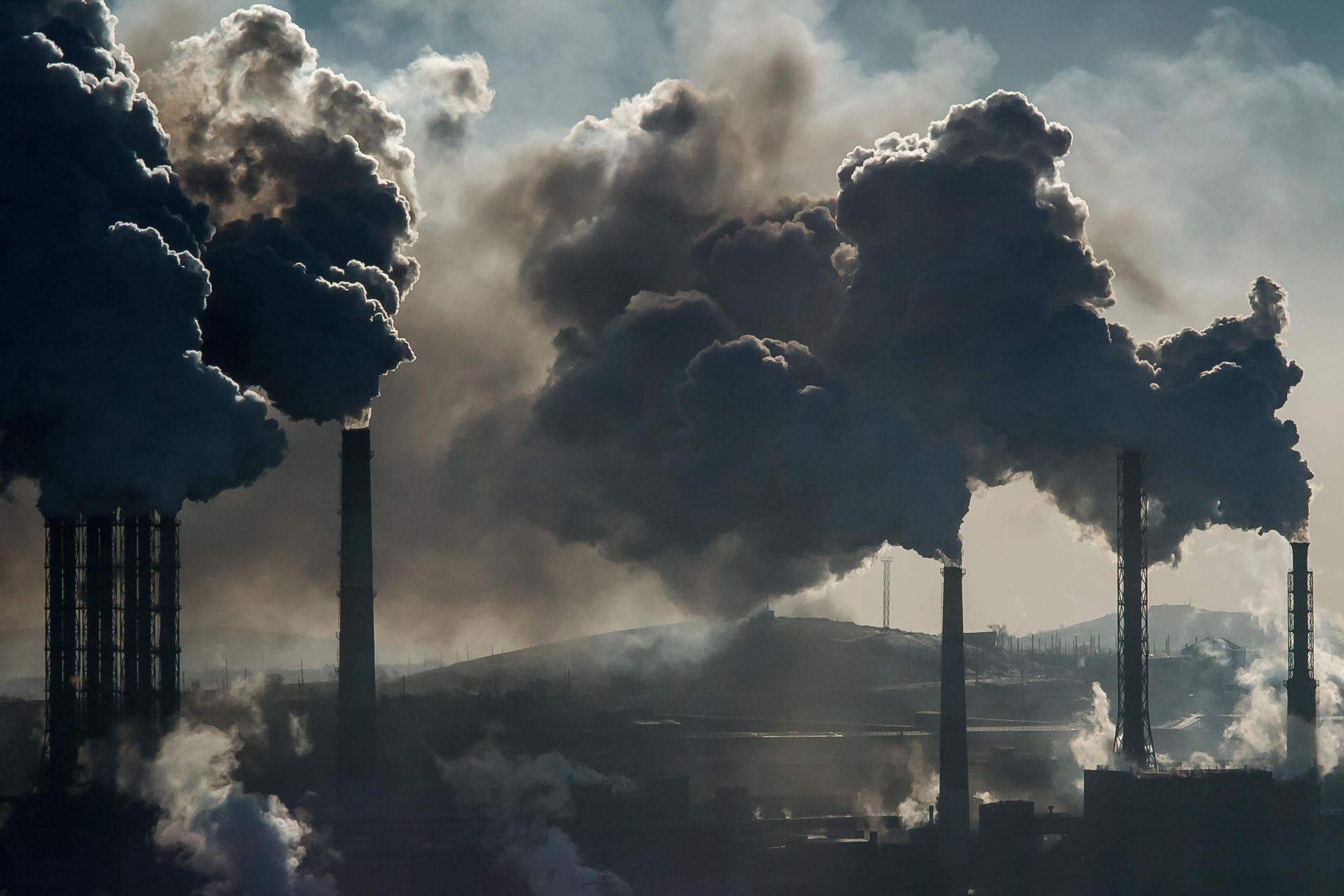
The EPA’s new cost-benefit calculus tells us exactly whose lives this administration considers expendable.
For more than fifty years, the Environmental Protection Agency operated on a simple premise: protecting human health and the environment is a core responsibility of government.
That premise is now officially dead.
Under the Trump administration, the EPA has announced it will no longer factor the health benefits of reducing pollution into its cost-benefit analyses. The agency created to protect people from polluters will now calculate regulations based solely on what compliance costs industry, not on the asthma attacks prevented, the cancers avoided, or the lives saved.
This isn’t a bureaucratic tweak.
It’s a declaration of who matters, and who doesn’t.
Health No Longer Counts
For decades, the EPA relied on well-established science to quantify the benefits of reducing pollutants linked to asthma, heart disease, cancer, and premature death. Under standards finalized during the Biden administration, economists estimated that for every $1 industry invested in cutting pollution, society gained as much as $77 in health benefits. Those benefits included fewer emergency room visits, fewer missed workdays, and fewer lives cut short.
The math was straightforward. Protecting health was both morally right and economically smart.
The Trump administration looked at that equation and decided the health side no longer counted.
As The New York Times has reported, internal EPA documents show plans to repeal pollution limits on coal-fired power plants, oil refineries, steel mills, and other major industrial sources. Without counting health impact, the agency can claim that pollution regulations cost more than they’re worth.
This is not fiscal responsibility.
It is accounting fraud dressed up as policy. Human harm is erased from the ledger so the balance sheet favors polluters.
“Sacrifice Zones” by Design
An EPA spokesperson responded to criticism by insisting that “not monetizing does not equal not considering or not valuing the human health impact.”
(When a sentence is built entirely out of negations, it tells you something on its own.)
Environmental injustice has never been accidental. The communities most burdened by pollution are Black, Brown, Indigenous, low-income, and rural. They are also the communities historically excluded from political power. Highways carved through their neighborhoods. Factories sited beside their schools. Refineries built upwind of their homes.
These outcomes were not random. They were policy choices.
From the Tuskegee syphilis experiments, where Black men were deliberately denied treatment for decades, to urban renewal projects that bulldozed thriving communities of color, marginalized people have repeatedly been treated as expendable when their well-being conflicted with power’s priorities.
The EPA’s new calculus is a continuation of this history.
When regulators refuse to count the health impacts of pollution, they make a choice about whose suffering is politically acceptable. When that suffering falls overwhelmingly on communities already carrying the weight of systemic racism, the policy itself becomes the discrimination, regardless of how neutral the language sounds.
The Erasure Is the Point
The Trump Administration excels at overwhelming the public with so much cruelty that no single outrage can fully register. The strategy is deliberate. If you’re busy reacting to one fire, you won’t notice three more being lit.
We understand why some people scroll past stories like this. Not out of apathy, but self-preservation. Life trains us to look away from what doesn’t immediately touch us and to assume someone else will handle it.
But environmental harm doesn’t respect zip codes forever.
The pollutants causing asthma in frontline communities travel. The water contamination poisoning a rural town doesn’t stop at property lines. The climate chaos accelerated by unchecked emissions touches everyone eventually.
Even if you believe that you could guarantee your own safety, there is still the question of what kind of society we are choosing to build.
One that weighs corporate profits against human lungs and decides the profits matter more?
One that deletes the words “Environmental Justice” from agency websites, as if erasing language could erase harm?
The erasure is the point.
If you don’t count the harm, you don’t have to answer for it.
What We Can Do
If corporate profits can be written into the equation, so can human health.
At mBOLDen Change, we believe dignity includes the right to breathe clean air and drink clean water. We refuse to normalize the unacceptable, and we will continue to name how policy choices determine who thrives and who merely survives.
Here’s how you can act:
• Contact your elected officials. Tell them you oppose any regulatory framework that excludes health impacts from cost-benefit analyses. Demand environmental justice in practice, not just rhetoric.
• Support frontline organizations collecting the data the EPA has stopped counting — like the Deep South Center for Environmental Justice, WE ACT for Environmental Justice, and California Environmental Justice Alliance.
• Stay informed and share what you learn. The Trump administration’s strategy depends on public exhaustion. Understanding what’s happening, and telling someone else, disrupts it.
Environmental justice requires more than aspiration. It requires action and policy.